Voices of the Past
The website History Matters states the following about oral history:
"Unquestionably, most people throughout history have learned about the past through the spoken word. Moreover, for generations history-conscious individuals have preserved others' firsthand accounts of the past for the record, often precisely at the moment when the historical actors themselves, and with them their memories, were about to pass from the scene."
In this way, oral history is an oral account of the past. There are no required criteria for specific historical periods, geographic locations, or interview subjects. Oral history involves an examination of any past the historian and his or her subject choose to explore. Dr. Laura Ettinger, the creator of "Voices of the Past," has been practicing oral history since she was a young girl. She believes in oral history’s ability to add to and complicate our understanding of the past.
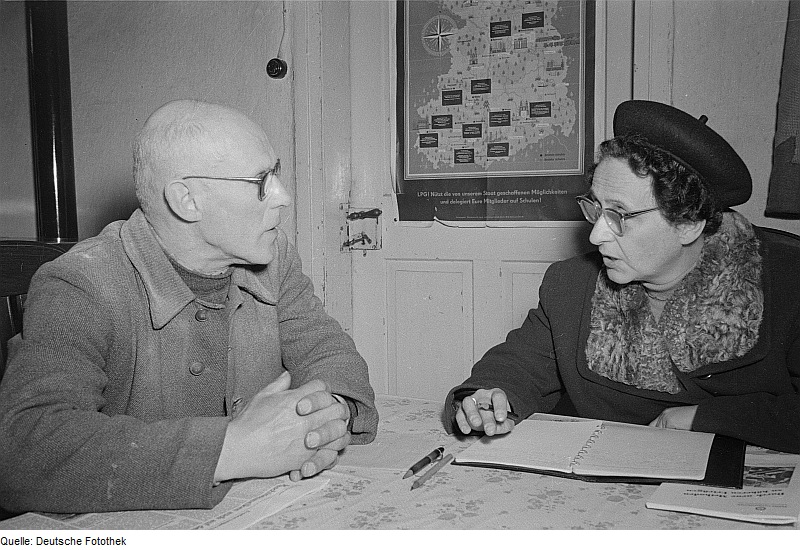
Listening to real voices from the past makes history come alive! Oral history is an exciting way to uncover and hear forgotten or often overlooked voices and stories from the past. This course introduced students to oral history and helped them to develop interviewing techniques, a skill used in many professions. Throughout the semester, students explored the theory and practice of oral history, and viewed and listened to oral histories in various multimedia formats. Students then got to conduct oral history interviews of their own, with family members or other individuals, and put those into wider context through historical research.
This course required students to:
The main text for the class was Donald Richie's Doing Oral History. This how-to guide explains how to set up an oral history project, conduct interviews, use oral history in research and writing, preserve oral histories in archives and libraries, and present them in the community, in museums, and on stage, as well as examining oral history and memory, ethics, and the law. Students also read many other texts on the theory and practice of oral history.